

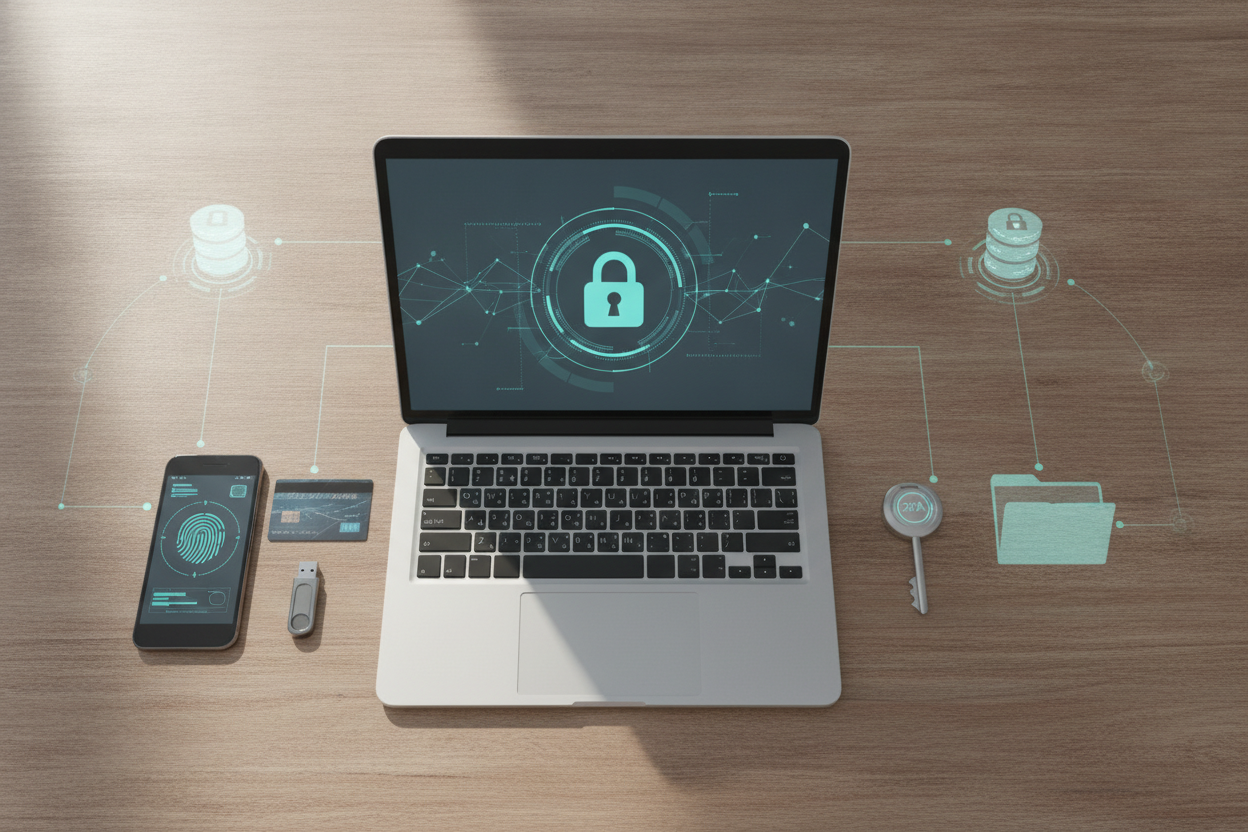
Remote work gives teams flexibility, but it also expands the number of places where risk can enter. Employees connect from home networks, shared spaces, and personal devices, which means security habits must be intentional. A strong remote work security posture starts with consistent rules that are easy to follow and hard to ignore.
The first priority is securing accounts and devices. Multi-factor authentication should be standard for email, collaboration tools, and cloud platforms. Devices need automatic updates, encryption, and basic endpoint protection. These measures reduce the chances that one compromised login or laptop becomes a larger breach.
Another important step is controlling how information is shared. Teams should use approved collaboration tools, avoid public file links for sensitive documents, and understand which data can be stored locally. Regular awareness training helps employees recognize phishing attempts, unsafe downloads, and social engineering tactics that often target remote workers.
Leaders should also make sure remote access is monitored and reviewed. Security logs, conditional access rules, and periodic audits can reveal unusual behavior before it becomes a serious issue. MemoisElle readers who manage distributed teams know that secure remote work is not about limiting productivity. It is about building systems that allow people to work confidently while protecting the organization’s most valuable assets.
Leave a Reply